- EXPLORE FURTHER: Why Butter, Cheese, and Ice Cream Might Help You Live Longer
It goes without saying that things have grown larger in today’s world.
Be it houses, televisions, or automobiles – when we compare them to those from previous decades, these items have significantly increased in size.
This also encompasses portion sizes and waist measurements.
In 2024, 43 percent of Americans were classified as obese, whereas only 13 percent fell into this category in the 1960s.
Specialists have attributed the rise in consumption of heavily processed foods and calorie-dense meals to a surge in obesity, which they warn can result in various health issues such as cardiovascular diseases. diabetes , hypertension, hyperlipidemia, hepatic disorders, sleep apnea, and specific types of cancer.
Currently, California-based nutritionist Autumn Bates has highlighted what she thinks is fueling the obesity crisis, outlining four factors contributing to this issue among individuals. thinner than in years past , even with reduced exercise routines or without using fitness trackers such as Apple Watches and FitBits.
After viewing a recent YouTube short that pondered why people were so slim in the 1960s, she opted to delve into investigating this phenomenon.
The nutritionist stated: 'That’s a valid query since back in the 1960s, the obesity rate in America was around 13 percent.'
To put that into perspective, as of 2025, our current obesity rate has reached nearly 43 percent, which is quite surprising since people weren’t particularly renowned for making healthy dietary selections even back in the 1960s.
'Why on earth did our body fat percentages in the lower regions drop so low back in the 1960s?'

The primary reason for the increase in obesity is the decrease in homemade, freshly prepared meals. Such meals were once commonplace rather than rare occurrences.
They typically included 'a top-notch protein source, some fruit, some bread, some vegetables, and usually milk.'
She describes how this same nourishing approach was used for children’s packed lunches at school, ensuring they received a more well-rounded diet than what is common nowadays.
Based on her study of diets from the 1960s, Ms. Bates mentions that some commonly enjoyed foods were roast chicken, meatloaf, beef stew, steak, and potatoes.
The discussion barely touched upon fast food, despite its trend towards larger portion sizes, where single servings can contain almost 2,000 calories for items like common burgers and French fries combinations.
Based on her conversations with her relatives, she mentioned YouTube video My father mentioned that they usually had pot roast, whereas my mother has a rather unpleasant recollection specifically associated with lima [or butter] beans.
Ms. Bates mentions that the advantages of homemade meals consist of reduced sugar consumption, additional protein, and a higher quantity of veggies.
Research conducted previously by Johns Hopkins University revealed that individuals who regularly prepare their own meals at home generally ingest lower amounts of carbohydrates, sugars, and fats than those who do not cook as frequently.
Ms. Bates then mentions that one more factor contributing to the current societal trend of increased obesity is the surge in ultra-processed food consumption.
Ultra-processed foods, referred to as UPFs, encompass items that have extensive ingredient lists or incorporate synthetic additives such as coloring agents, sweeteners, and preservatives designed to prolong their shelf life.
Frozen dinners, ice cream, and ketchup are among the widely favored items categorized as UPFs, terms increasingly associated with dishes that provide minimal nutritional benefits.
They differ from processed foods, which are altered to extend shelf life or improve flavor, like cured meats, cheeses, and freshly baked bread.
Elaborating on why UPFs are detrimental, she states: "These ultra-processed items represent an advanced stage of processing that significantly reduces feelings of fullness, leaving you far less content with what you consume, which leads to eating even greater quantities."
These are dishes that will mainly consist of components you can’t identify and usually come with an extensive list of ingredients you wouldn't easily find at your local supermarket to replicate.
Ms. Bates indicates that approximately 70 percent of Americans' current diet consists of UPFs, and she adds that "certain research suggests these ultra-processed foods might lead people to consume roughly an additional 800 calories daily as they tend to be far less filling."
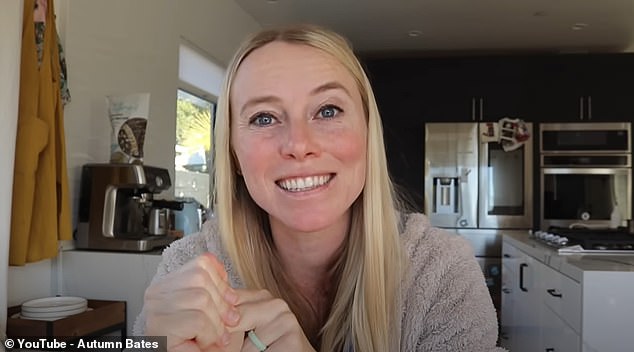

Ms. Bates recommends steering clear of the calorie-dense effects of such foods and replacing them with better options—processed snacks filled with extra components can instead be exchanged for fresh fruit, veggies, nuts, and seeds.
Ms Bates points out that the third factor contributing to a thinner society in the 1960s was that people were 'much more inadvertently physically active.'
She goes on: "Back then, a significant part of the labor force engaged in more strenuous physical activities at their jobs. Additionally, they lacked organized exercise routines, so they generally did not participate in workouts."
My father often mentions that he used to feel extremely self-conscious during his youth due to his father being quitehealth conscious back then, frequently going for jogs. His peers would tease him and wonderwhat he was chasing after since everyone generally had physically demanding occupations.
They experienced a busy day filled with activity compared to spending an entire day seated before a computer screen, along with likely traveling to and from work.
Ms. Bates observes that as technology has advanced, individuals have grown increasingly sedentary and fixated on their devices, resulting in reduced levels of physical exercise.
She notes: "According to my mother, being confined indoors used to be considered a form of punishment when she was young. Children in the 1960s did not have many indoor distractions, so they were encouraged to venture outdoors and engage in physical activities."
Ms. Bates recommends that individuals with sedentary office jobs consider using a standing walker. This allows them to stroll on a treadmill while typing, helping maintain their fitness levels.
In addition to this, she suggests engaging in structured exercises like strength training for about three to four days each week.
Finally, Ms. Bates highlights inadequate sleep as an additional factor contributing to America's obesity crisis.
Currently, the typical American adult obtains approximately 7 hours and 10 minutes of sleep each night. Notably, prominent figures such as Twitter co-founder Jack Dorsey and former President Donald Trump assert that only 4 hours constitutes the ideal quantity of rest.
This contrasts with the decade of the 1960s, where research indicates that people typically slept around 8.5 hours per night on average.
Ms. Bates comments on this change in sleeping habits, stating: "Reduced sleep has a strong connection with obesity and weight increase."
'Lack of sleep leads to higher levels of hunger hormones, making you much hungrier the following day.'
'It enhances our liking for sweeter dishes and makes us more inclined towards bigger serving portions.'
The dietitian attributes technology with undermining people's capacity to get adequate rest, citing increased night-time diversions like laptops, televisions, and smartphones.
She says, 'Moreover, individuals were more physically active during the day, leading them to feel more exhausted and genuinely desiring sleep.'
We need to establish bedtime routines once more for both of us since there are numerous distractions tempting us to stay awake late, such as marathon-watching a Netflix series or endlessly browsing our phones.
We really need to establish specific bedtime deadlines.
Read more
Comments
Post a Comment