Pope Leo has made the Vatican available as a site for peace negotiations between Ukraine and Russia .
The newly elected pope took this action to assist with resolving the 'extremely challenging and dire circumstances'.
A representative of the head of the Catholic Church expressed hope that they might offer an 'opportunity for peace.'
His Holiness’s offer yesterday came as Russia and Ukraine each agreed to release 1,000 prisoners before the negotiations in Istanbul appeared to break down after an hour and a half.
No headway was achieved regarding a truce during these being the initial face-to-face discussions between the conflicting sides in three years.
In the afternoon, Vatican Secretary of State Cardinal Pietro Parolin stated that Pope Leo XIV plans to ultimately propose the use of the Vatican and the Holy See as a neutral venue for a direct meeting between the two parties involved.
He stated, "This is unfortunate because we had envisioned initiating a process, maybe gradual yet leading to a peaceful resolution of the conflict. However, now it feels like we have returned to square one."
However, Cardinal Parolin dismissed the possibility of a papal trip to Ukraine, stating it would be 'untimely' following Volodymyr Zelensky’s invitation to Pope Leo during their telephone conversation earlier this week.
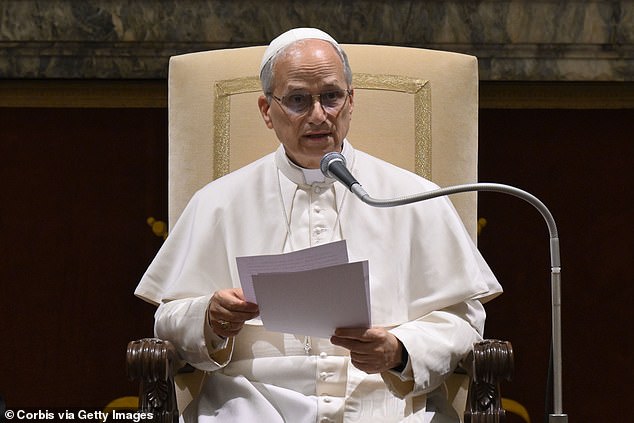
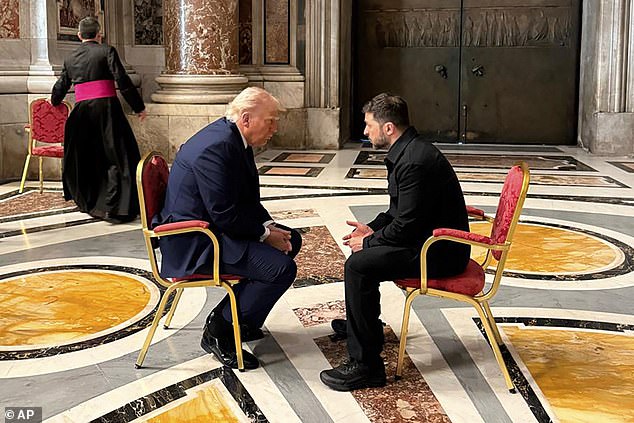
Diplomatic bridges have already been constructed at the Vatican connecting Donald Trump with Ukraine’s leader, who held direct discussions on the day of Pope Francis’s funeral last month. This marked their initial meeting since their contentious encounter in the Oval Office back in February.
The discussions held yesterday at the Dolmabahçe Palace were clouded by the uncertainty surrounding Vladimir Putin's potential attendance.
Even though he originally suggested meeting there, he avoided going to Istanbul himself, allowing junior staff members to handle negotiations for him. This decision was labeled 'a significant error' by NATO Secretary General Mark Rutte.
Mr Zelensky had travelled to Turkey but stayed away from Istanbul when it was apparent the Russian president would not attend.
According to sources close to the negotiations the chasm between the warring parties was apparent within minutes of the talks starting. Russia has insisted a ceasefire cannot be discussed until after the issues behind the conflict are addressed.
And yesterday Ukraine described Russian demands before it will consider a truce as ‘non-starters’ and ‘detached from reality’.
These include an end to Western military support for its neighbour and Ukrainian troops withdrawing from four provinces in the east of the country which are partially occupied by Russian forces.
In response to Ukraine’s refusal to meet the latter demand, a Russian official apparently threatened: ‘Next time it will be five regions.’
The discussions were facilitated by Turkey’s Foreign Minister Hakan Fidan, who urgently called for a truce “at the earliest opportunity.”
Keir Starmer stated: “I believe it’s crucial to exert strong pressure for a ceasefire. It’s essential to ensure that Putin participates in negotiations.”
President Zelensky, who has consistently stated that Mr. Putin “is not serious about peace,” has urged for sanctions targeting Russia’s banking and energy industries if it persists in obstructing peace negotiations.
Read more
Comments
Post a Comment