Officials in Japan are calling for new rules to charge climbers who require rescue from Mount Fuji outside the official climbing season, as concerns rise over high emergency service costs and the safety of personnel deployed to deal with such incidents.
The mayors of Fujiyoshida and Fujinomiya cities, together with the governor of Shizuoka Prefecture, are requesting the central government to revise laws allowing local administrations to enforce rescue charges during the low season, which typically occurs outside the three-month climbing period for the mountain in summertime.
The price for a rescue helicopter might reach up to 500,000 yen ($3,440) per hour, according to the Shizuoka governor. This expense can escalate further when considering the costs associated with mountain rescue teams operating on land and utilizing medical facilities.
Are you looking for insights into the most significant issues and developments globally? Find your answers here. SCMP Knowledge Our latest platform offers carefully selected content including explanations, FAQs, analyses, and infographics, all provided by our acclaimed team.
Following this, officials made their appeals after a student from a Chinese university was rescued Near the summit of the 3,776-meter mountain, this occurred twice within four days in April.
A 27-year-old individual, whose identity remains undisclosed, received assistance in leaving the mountain when they started feeling nauseated and confused near the peak. They also misplaced their cellphone along with various climbing gear such as crampons.
A few days afterward, an additional rescue squad was dispatched to recover the man once he fell near the 3,000-meter elevation mark, seemingly because of altitude-related illness. Upon being transported downhill via stretcher and turned over to medical professionals, he mentioned that his reason for revisiting the mountain was to locate his lost cellphone.
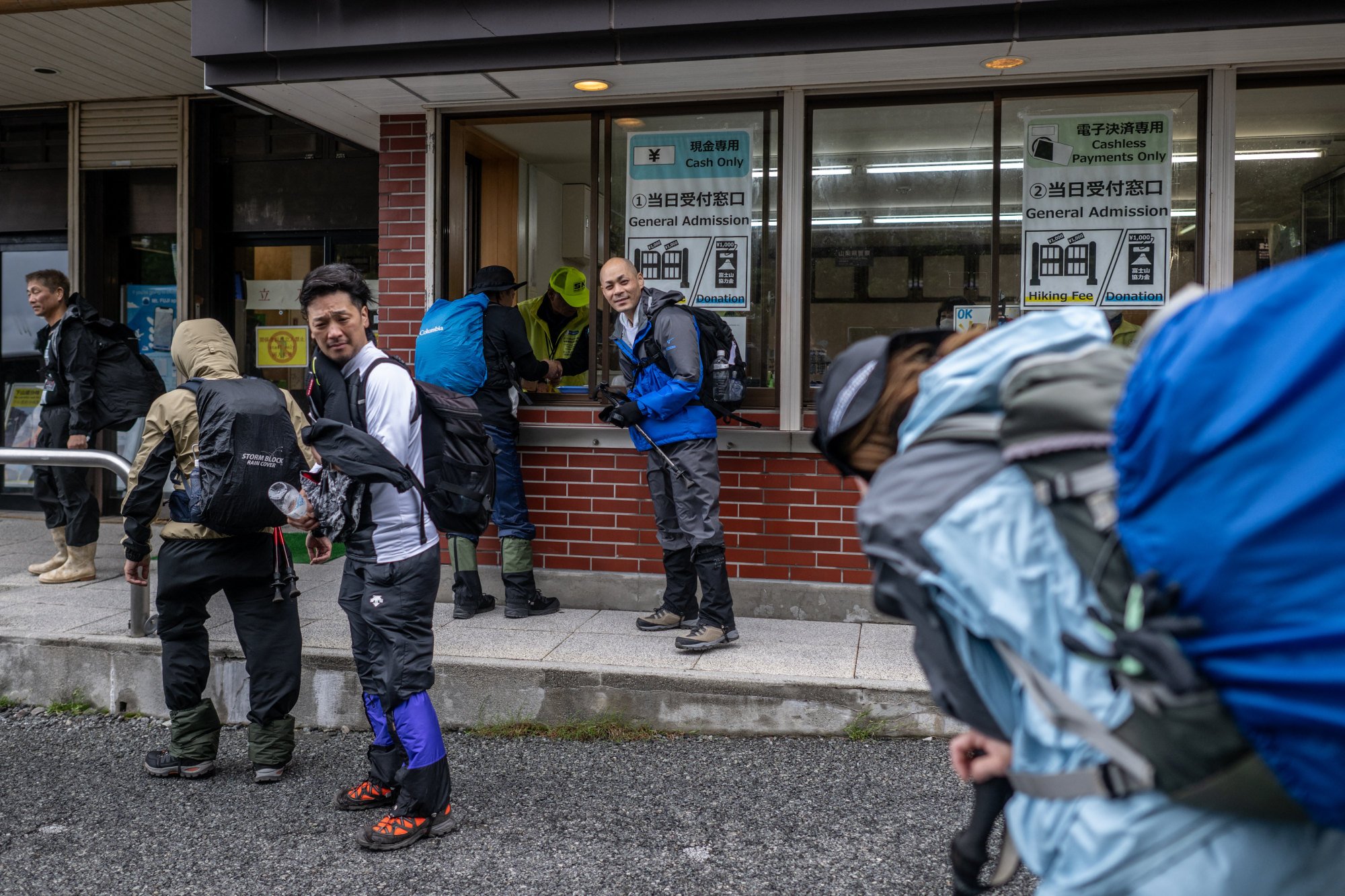
During the off-season, according to Mayor Hidetada Sudo of Fujinomiya City, who spoke at a press conference on May 9, people are ignoring warnings and self-servingly deciding to ascend.
"The expenses associated with rescue missions are enormous, therefore shouldn’t the individuals who require assistance during off-peak times shoulder the financial burden? They bear the responsibility for the consequences of their choices," he noted.
Sudo mentioned that inexperienced and unprepared hikers often disregarded safety advisories and failed to consider the risks faced by emergency responders during rescues. He noted that without regulations mandating these climbers to cover the expenses of their rescue operations, they tended to adopt an indifferent approach towards hiking and seeking assistance when needed.
A few days after Suro’s comments, Shigeru Horiuchi, who serves as the mayor of Fujiyoshida, voiced similar sentiments. He stated his intention to request that the Yamanashi Prefectural Government implement a policy mandating financial compensation from hikers rescued during the off-season when they are stuck in the area, rather than placing this burden on his city.
During mountain rescue operations, rescuers put their own lives at risk. Horiuchi mentioned on May 13 that there have been instances where individuals casually requested assistance through their phones, acting as though they were hailing a cab.
He mentioned that the significant expenses linked to a rescue operation would deter others from trying a winter climb.
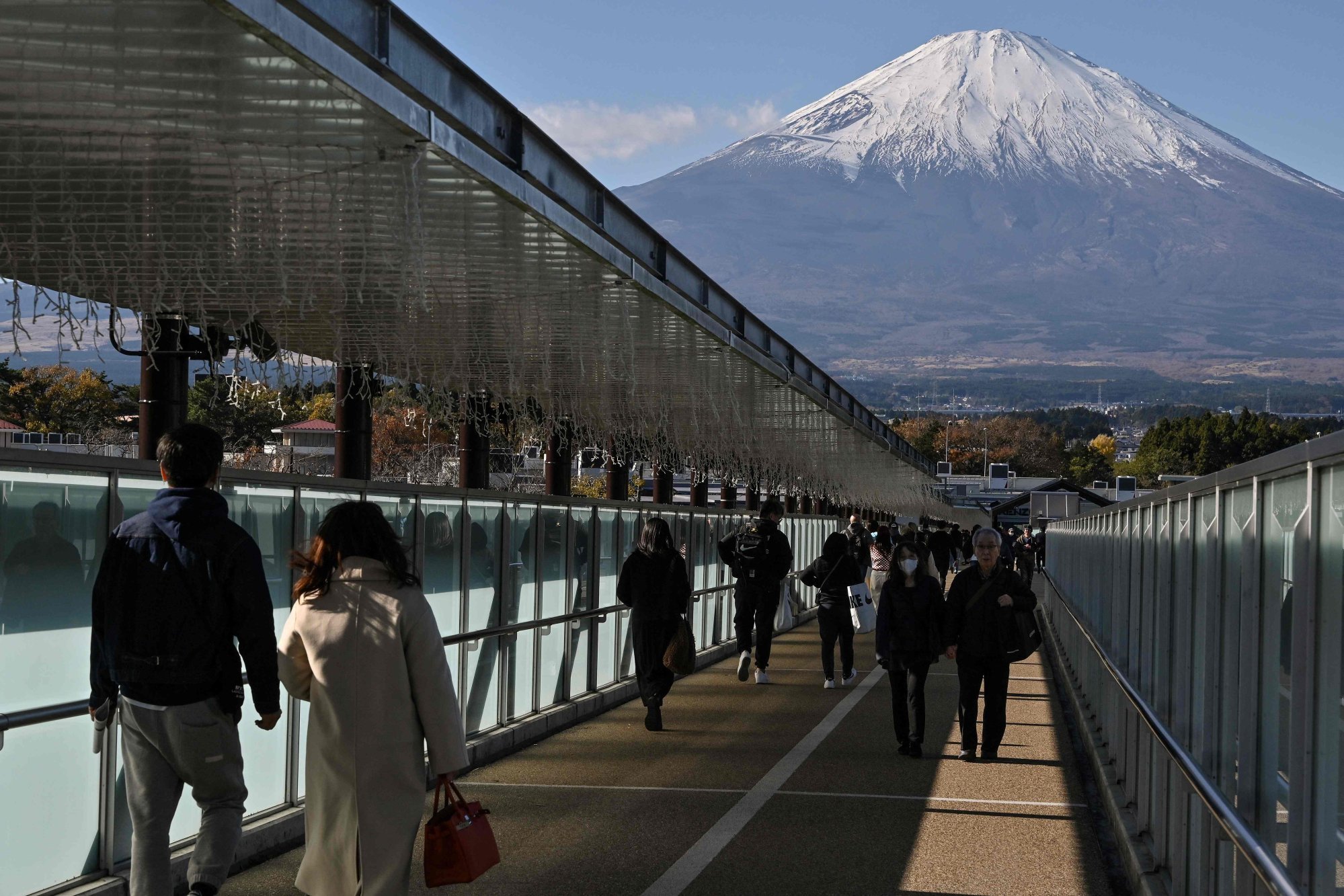
On the same day, Governor Yasutomo Suzuki of Shizuoka expressed his support for these suggestions, noting that the central government would have to examine them initially before reaching a decision on the issue.
The secretary-general of the Fuji-san hiking club, Tatsuo Nanai, expressed his full support for the proposals, stating that all individuals who wish to climb Mount Fuji should be well-prepared and have prior experience.
"Mount Fuji can be a very dangerous mountain, particularly in the off-season, with deep snow and ice on the highest elevation," he told This Week in Asia.
"Other countries require climbers to have insurance and they charge anyone that they have to rescue, so I have a lot of sympathy for the local governments that are at present having to cover those costs," he added.
A total of 204,320 people climbed Mount Fuji in the three-month window from early July last year, or nearly 3,000 people a day, according to government data. Emergency services had to be activated to help injured hikers every day during the climbing season, Nanai said.
Last year, nine individuals perished atop the mountain during the climbing season; one death was due to a fall, while the remaining fatalities were attributed to illnesses presumably caused by the extreme elevation.
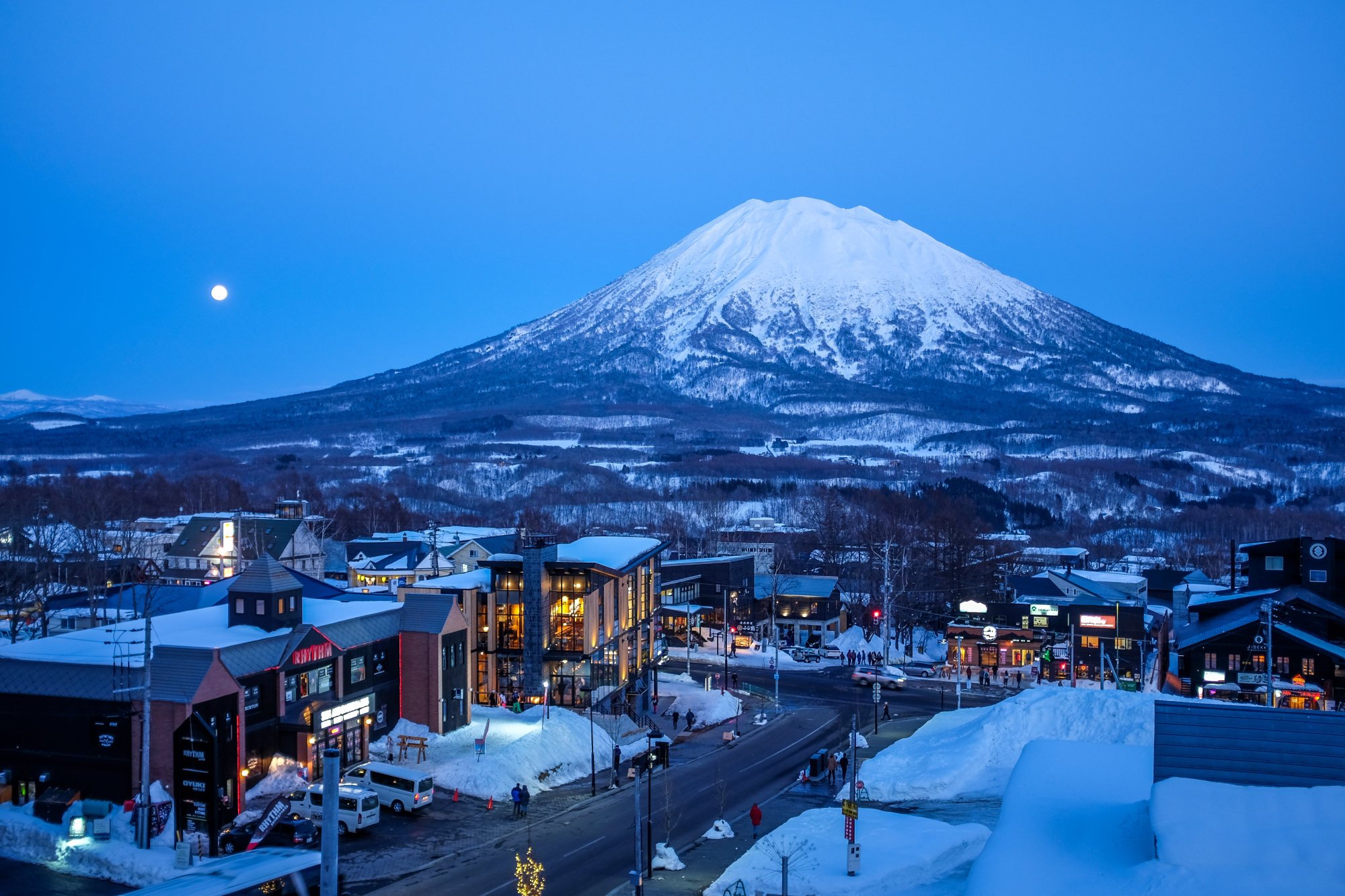
Mount Fuji isn’t the sole summit in Japan drawing ill-prepared trekkers this season. Earlier on Tuesday, rescue crews assisted a British pair attempting to reach the peak of 1,898-meter Mount Yotei located in Hokkaido. The duo contacted local emergency operators via phone, stating they couldn't proceed nor locate shelter due to frigid conditions.
Once the police helicopter spotted the hikers, the man was observed in shorts, and the woman was wearing a short-sleeve top. Following their examination at a local hospital in Kutchan, the pair were discharged.
The rest were not so lucky. The police verified on Friday that a thigh bone discovered in April belonged to American trekker Patricia Murad, who vanished last year during a solitary hike along a 15-kilometer section of the Kumano Kodo pilgrimage route in Wakayama Prefecture, central Japan.
A woman's thigh bone was discovered near a creek alongside her backpack and clothes. Authorities have stated that they do not believe her demise involved any criminal activity; however, they will keep investigating the matter.
More Articles from SCMP
The US-China agreement offers no respite for companies since restrictions on rare earth materials continue to disrupt the supply chain.
The Chinese squad utilizes DeepSeek AI for simulations of military combat scenarios.
Trump concludes Gulf trip with an 'America First' approach aimed at fostering peace in the Middle East and South Asia.
Cathay Pacific pledges to foster a safety-first and reporting-oriented ethos in trainee programs in Hong Kong.
The article initially appeared on the South China Morning Post (www.scmp.com), which is the premier source for news coverage of China and Asia.
Copyright © 2025. South China Morning Post Publishers Ltd. All rights reserved.
Comments
Post a Comment