Europeans are witnessing increasingly intense wildfires. As climate change exacerbates drought conditions and decreases summertime rainfall, the threat of wildfires is expected to increase over fourfold by the end of this century. Is adaptation to these blazes inevitable?
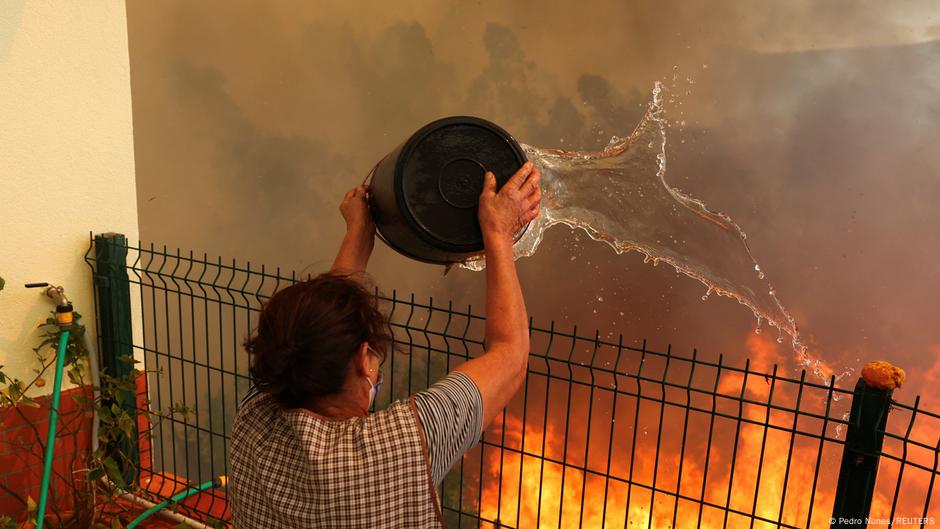
During one particular week in autumn 2024, ravaging fires burnt down over 100,000 hectares of land in Portugal — A region approximately the size of Hong Kong was affected. Thick plumes of smoke could be seen from orbit. This fire ranked among the biggest wildfire events in Europe for that year, resulting in at least seven fatalities.
Scientists suggest that such fires may become more frequent.
Thomas Elmqvist, the Environment Director at the European Academies Science Advisory Council (EASAC), stated, “A significant rise in prolonged droughts across many regions of Europe is heightening the likelihood of catastrophic wildfires.” He also warned that certain areas might encounter intense events as frequently as once every couple of years.
Each year, approximately 60,000 forest fires sweep across the European Union, resulting in roughly €2 billion ($2.2 billion) in economic damages, as outlined in a report released today by researchers. Typically, these blazes consume an expanse of land almost double the size of Luxembourg. — year by year.
Climate change, alterations in land use, and urbanization exacerbate fire occurrences.
Europe is the world's fastest warming continent Over the last three decades, temperatures have increased at double the rate of the worldwide average. Elmqvist refers to the well-established connection related to this phenomenon. climate change coupled with increased risk of wildfires . The doubling of wildfire risks by the year 2100 is anticipated due to more frequent drought conditions and decreased precipitation.
Rapid urban expansion is contributing to the fire risk as well. The researchers found that neglected farmlands and unchecked vegetative proliferation have generated extensive areas rich in combustible organic material. Additionally, large plantations of single tree species, such as conifers, pines, and eucalyptus, which burn readily, exacerbate the issue.
For instance, Elmqvist noted that the greatest risk in Germany lies in the northeastern region due to its extensive pine forests.
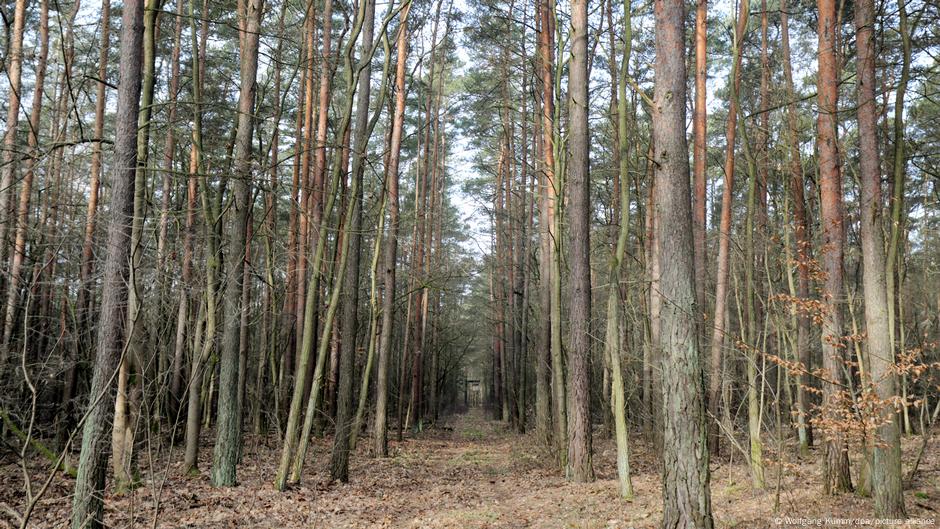
Less frequent but more intense wildfires ahead.
After observing wildfires for two years, he determined that both the frequency of fires and the overall burnt areas have declined in Europe, attributing this change to "our increased ability to combat these blazes."
However, the fires will grow bigger and intensify.
The researchers discovered that Spain, Portugal, Italy, and Greece are the most impacted countries.
Countries around the Mediterranean are more ready For wildfires relative to other European nations, Claudia Berchtold from the Fraunhofer Gesellschaft notes. She is examining studies such as the latest EASAC report to develop a strategy for Europe on managing these blazes.
"For instance, in countries like Germany or the Netherlands, even a relatively minor fire would encounter systems that are less equipped," she noted.
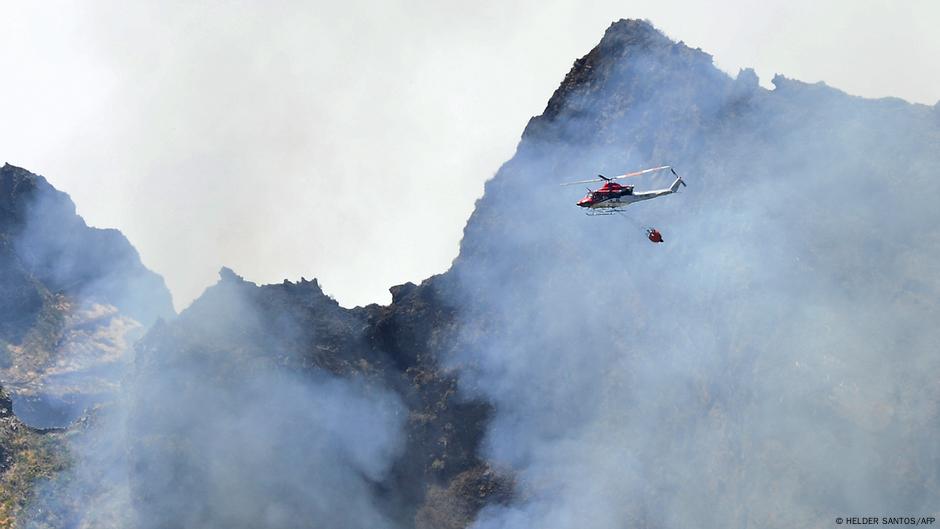
The study revealed that over two times as many urban areas face risks from fires in Europe compared to both North America and Asia.
Pine plantations have been developed into urban areas without considering the consequences when large wildfires occur," stated ecologist Pierre Ibisch, one of the authors of the study. "This undoubtedly poses significant risks.
This occurred in the tiny municipality of Borkwalde located within Germany’s Brandenburg region. Starting from the year 2000, residents gradually moved deeper into the woods, despite significant blazes prompting displacements in a neighboring town, as mentioned by Ibisch.
Options: Conducting controlled burns, rehabilitating habitats, and raising awareness
EASAC scientists suggest that issues such as these could be prevented if landscape planners, foresters, and farmers collaborate. They additionally emphasize the need for increased awareness and a broader public discussion regarding the evolving characteristics of wildfires.
"Individuals residing near forests or those who move into forested areas often fail to recognize the extent of the fire threat present and persistent, as well as our opportunity to mitigate this danger through proper land management practices," stated Ibisch.
The experts additionally emphasize the importance of enacting policies like the EU's Nature Restoration law Faster and more reliably, particularly for sustainable forest management and restoring carbon-rich peatlands. Permitting vegetation to grow freely across landscapes and occasionally allowing controlled burns on parched areas could significantly enhance fire intensity. "Not every fire is detrimental," Elmqvist stated.
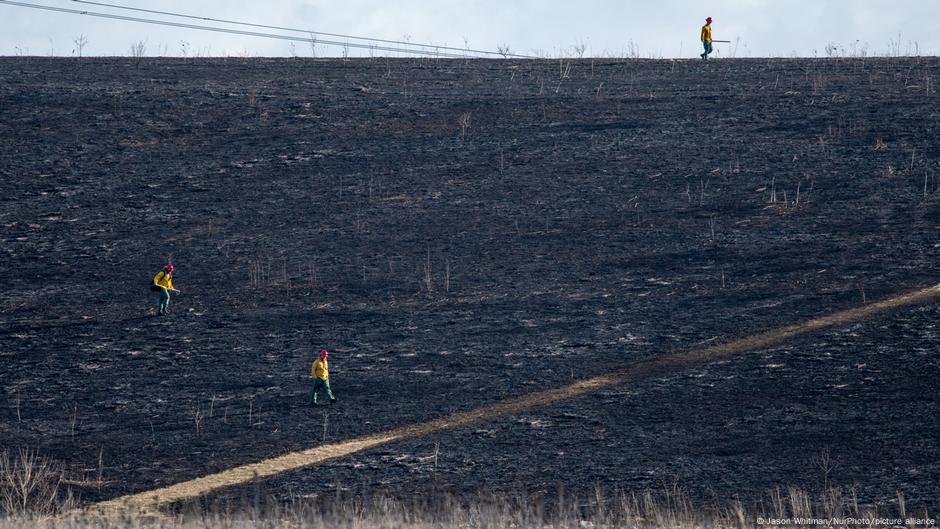
Low intensity fires can indeed be an integral part of a natural cycle and stimulate new growth.
Alternative approaches include digital mapping of forests for improved surveillance. Artificial intelligence can assist in analyzing drone imagery of wildfires or assessing the rapid regrowth of flammable plants following grazing activities.
Edited by: Sarah Steffen
Author: Katharina Schantz
Comments
Post a Comment